Tasting the Soil: The New Agrarian Table
Published by Gastronomy Bureau • November 02, 2024
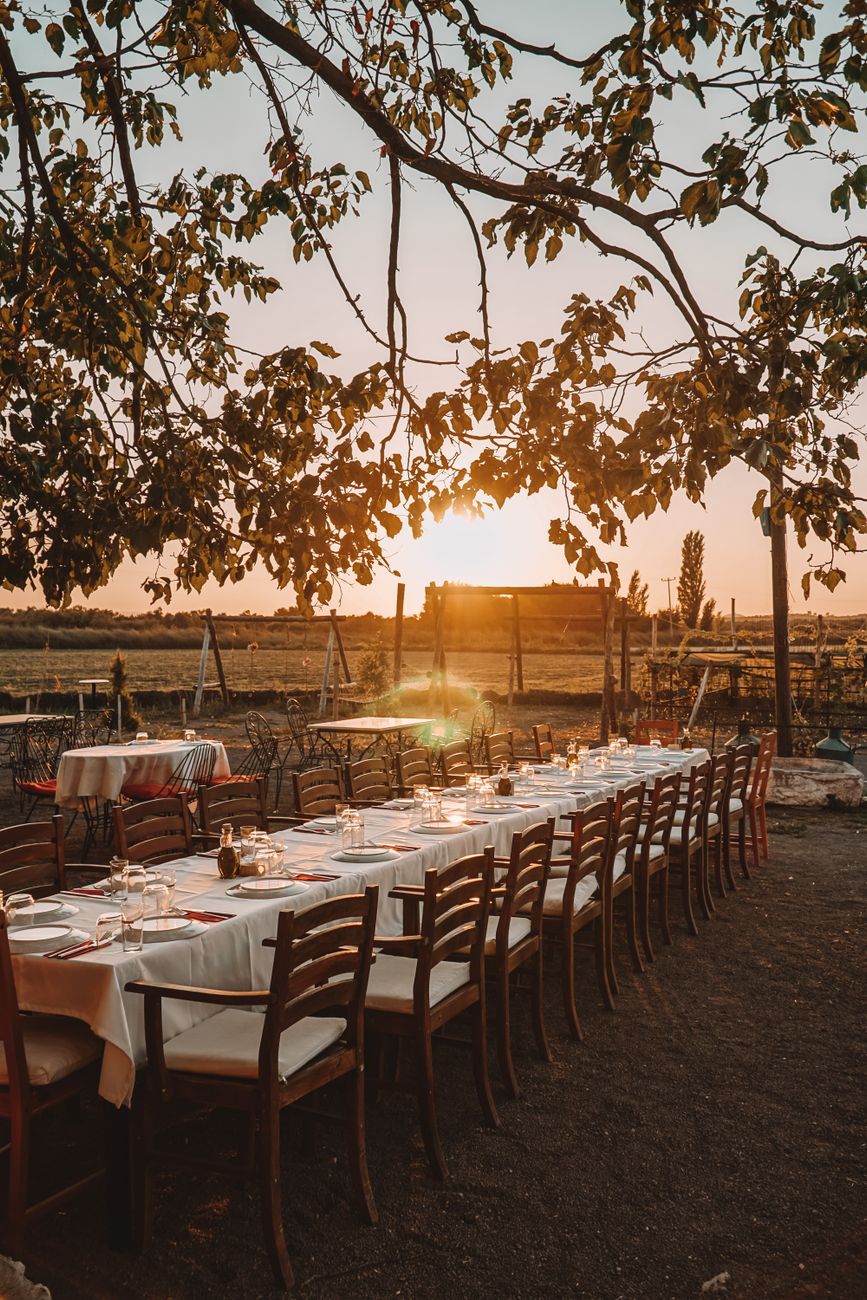
For decades, haute cuisine was defined by distance: exotic caviar flown across continents, rare Japanese citrus delivered within twenty-four hours to European capitals, and white tablecloths designed to isolate the diner from the soil that birthed the meal. Today, a quieter and infinitely more profound dining movement has emerged in the valleys of southern Europe.
The Fifty-Pace Pantry
In the rolling hills of Tuscany, Mallorca, and Provence, pioneering estates are dismantling traditional kitchen hierarchies. Here, head chefs spend as many hours weeding companion-planted heirloom brassicas and aerating compost as they do plating dishes. The menu is not conceived months in advance on paper; it is dictated each morning by what has reached peak sugar concentration in the estate garden.
"When the distance between harvest and plate is reduced to fifty paces, cooking shifts from manufacturing flavors to simply guarding the integrity of the soil."
Heritage grains once thought lost to industrial monoculture—such as ancient Khorasan and einkorn—are being stone-milled on site each dawn. The bread, sourdough-fermented over forty-eight hours, becomes the centerpiece of the meal rather than a secondary accompaniment.
Natural Ferments & The Living Terroir
The cellar philosophy matches the garden: low-intervention, native-yeast natural wines aged in clay amphorae rather than heavily toasted new oak. Each bottle serves as an unfiltered time-capsule of a single microclimate, tasting distinctly of limestone dust, wild thyme, and sun-baked earth.
Taste the Agrarian Heritage
Join one of our intimate culinary journeys featuring private vineyard lunches and artisan farm residencies.
Explore Culinary Residencies